
Choosing a reliable rollator walker manufacturer in China is not simply a matter of comparing unit prices. For distributors, importers, private-label brands and project buyers, the supplier decision affects product consistency, documentation, delivery performance, after-sales cost and ultimately your reputation in the market.
The best sourcing process turns broad claims such as “factory direct” or “strict quality control” into evidence that can be checked. This guide provides a practical framework for qualifying a China rollator supplier before you approve a sample or place a bulk order.
1. Define Your Rollator Specification Before Contacting Suppliers
A manufacturer cannot quote accurately if the request is only “send me your best rollator price.” Before sourcing, create a specification sheet that reflects the intended user, sales channel and destination market. At minimum, define:
- frame material, finish and preferred color;
- product type, such as four-wheel rollator, lightweight model or rollator with seat;
- overall dimensions, handle-height range and folded size;
- maximum user mass required for your market;
- wheel diameter, tyre material and indoor/outdoor use;
- brake configuration, seat, backrest, bag and other accessories;
- target packaging, carton marks, manuals and private-label requirements;
- estimated trial order and annual forecast; and
- destination country and the compliance documents your importer needs.
This prevents a misleading comparison between products that look similar but use different tubing, wheels, brake parts, accessories or packaging. You can review our mobility walker series to identify a practical starting configuration.
2. Verify That the Supplier Is an Actual Manufacturer
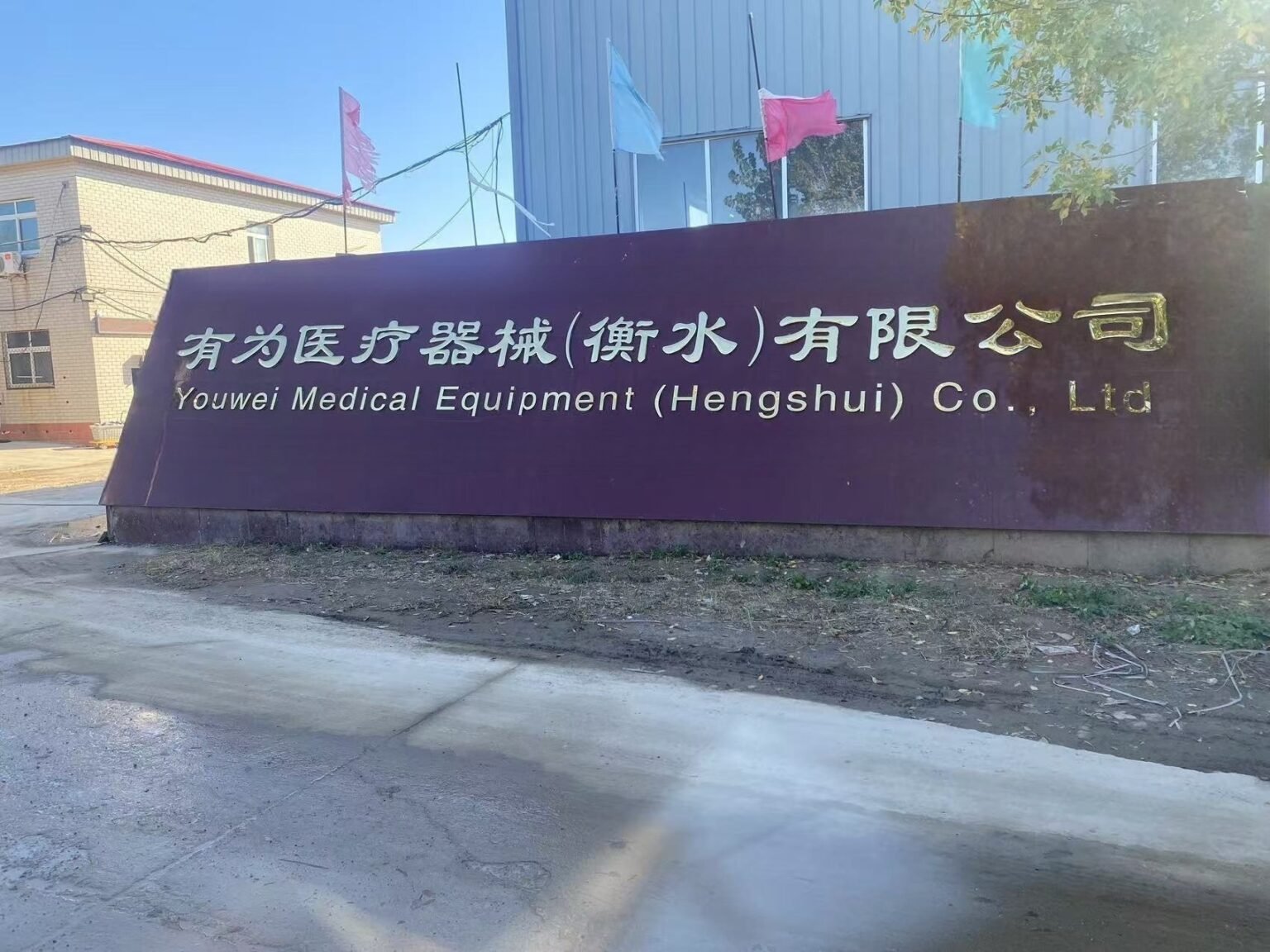
A trading company can be useful for mixed-product orders, but buyers should know who controls production and quality. Ask the supplier for its registered company name, business licence, factory address and a live video tour. The name on the quotation, bank account, quality certificates and export documents should be logically connected.
During a video call or on-site audit, ask to see raw-material storage, tube cutting and bending, welding, surface treatment arrangements, assembly, inspection, packing and finished-goods storage. If a process is outsourced, ask which supplier performs it and how incoming quality is controlled. An honest answer is more valuable than a claim that every process is completed in-house.
A credible walker factory should be able to explain its production flow, show current work in progress and connect each step to inspection records.
3. Review the Quality System, Not Just Certificate Logos
ISO 13485 is an internationally recognized quality-management standard for organizations involved in medical devices. A certificate can be a useful starting point, but it is not proof that every quoted model meets every destination-market requirement. Ask for the certificate number, issuing body, validity dates, manufacturing address and scope. Confirm that the scope covers the relevant product and activity.
Then check how the quality system works in daily production. Useful evidence includes:
- approved drawings, bills of materials and revision-control records;
- incoming inspection criteria for tubing, wheels, brakes and hardware;
- first-piece and in-process inspection records;
- final inspection checklists and lot traceability;
- nonconforming-product controls and corrective-action records; and
- complaint, warranty and spare-parts procedures.
For rollators, ISO 11199-2:2021 describes requirements and test methods for rollators, and a 2024 amendment changes part of that standard. Ask the manufacturer which edition and amendments apply to the offered model and request model-specific test evidence. Do not accept a generic certificate as a substitute for the documentation required in your target market.
4. Examine Production and Inspection Controls
Rollator quality depends on multiple connected processes. Tube dimensions affect frame alignment; welding affects strength and folding geometry; coating affects corrosion resistance and appearance; assembly affects brake response, wheel movement and stability.
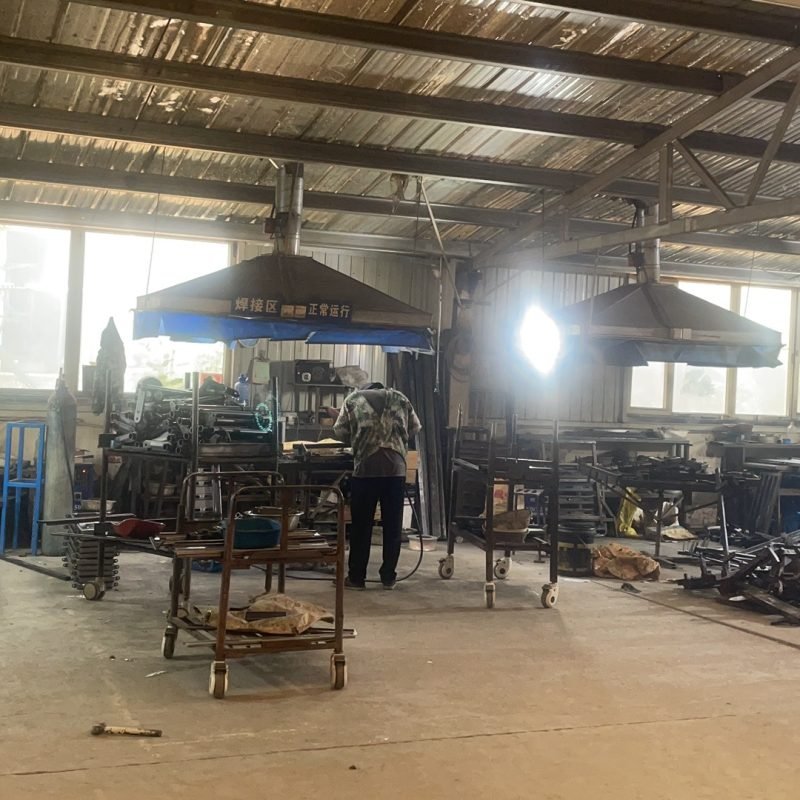
During qualification, ask the factory to walk you through a real batch. Look for controlled work instructions, calibrated measuring tools, stable fixtures, identified inspection status and clear separation of accepted and rejected material. For finished rollators, the inspection plan should address the functions relevant to the design, such as:
- frame dimensions, alignment and folding operation;
- fasteners, adjustment holes and handle locks;
- wheel rotation, tyre condition and directional stability;
- service-brake and parking-brake operation where applicable;
- seat, backrest, bag and accessory installation;
- surface finish, sharp edges and cosmetic defects;
- labels, instructions, carton marks and barcode accuracy; and
- packaging integrity and product protection.
Ask which characteristics are checked on every unit and which are verified through lot sampling or periodic testing. The answer should match the risk of the characteristic and be supported by records.
5. Assess OEM and Engineering Capability
For private-label orders, customization is more than adding a logo. It may involve colors, bags, wheels, seat materials, cartons, manuals, labels and market-specific accessories. Ask who approves drawings and artwork, how samples are identified, and how a change is prevented from entering production before written approval.
A dependable mobility aid manufacturer should provide a controlled sample process: requirement review, drawing or specification confirmation, sample production, buyer approval and documented release to mass production. If a component changes after approval, the supplier should communicate the reason, effect and proposed validation before using it.
When evaluating a product platform, inspect a detailed model such as the YW-WL306 rollator walker, then request a configuration sheet that clearly separates standard features from optional customization.
6. Verify Capacity and Delivery With Evidence
“High capacity” is not a delivery plan. Ask for normal monthly output, maximum sustainable output, current utilization and the longest-lead components. Compare these figures with the number of workstations, shifts, critical equipment and actual production records you can see.
For a new supplier, a controlled trial order is usually more informative than a large first purchase. Agree on milestones for material preparation, pre-production sample confirmation, production, inspection and shipment. Require early notification if a critical component or approval could affect the schedule.
Also clarify whether the quoted lead time begins after deposit, artwork approval, sample approval or receipt of all packaging information. This single detail prevents many avoidable schedule disputes.
7. Evaluate Packaging, Loading and After-Sales Support
Product price alone does not show landed cost. Ask for the packed dimensions, gross and net weight, units per carton, loading quantity and packaging material specification. Confirm whether the rollator ships fully assembled or partially assembled, and assess whether final assembly is realistic for your distributor, retailer or end customer.
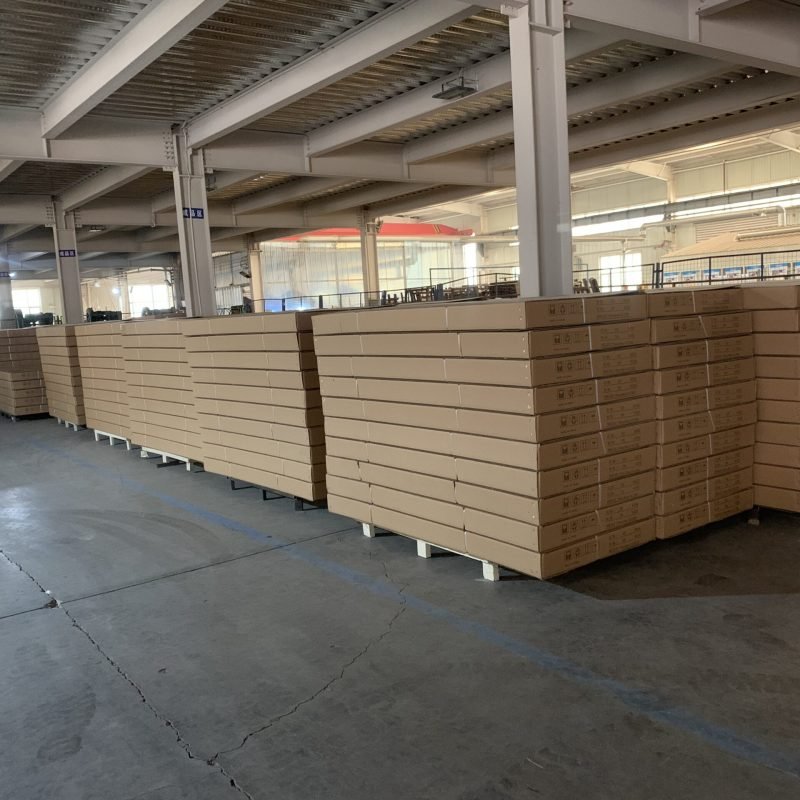
Request photos of the exact packing method and conduct a packing review during the pre-shipment inspection. Your commercial agreement should also define the warranty period, claim evidence, response time and remedy options. Ask whether common wear parts—such as brake cables, wheels, knobs or bags—can be supplied separately and how long they will remain available.
8. Use a Weighted Factory Evaluation Scorecard
A scorecard keeps the decision consistent when several China rollator suppliers are under review. Adjust the weightings to your market, but do not let a small price advantage cancel a major quality or documentation risk.
| Evaluation area | What to verify | Weight |
|---|---|---|
| Business identity | Legal entity, factory address, process ownership | 10 |
| Quality system | Certificate scope, document control, traceability, CAPA | 20 |
| Product compliance | Market requirements and model-specific test evidence | 20 |
| Production control | Equipment, fixtures, work instructions, in-process checks | 15 |
| OEM and engineering | Specification review, sample approval, change control | 10 |
| Capacity and delivery | Verified output, utilization, component lead times | 10 |
| Packaging and support | Packing validation, warranty, claims and spare parts | 10 |
| Communication | Accurate answers, response ownership, escalation route | 5 |
| Total | 100 |
Set mandatory pass/fail items separately. For example, a supplier should not pass solely on an 80-point total if its business identity cannot be verified or required model documentation is missing.
9. Watch for Common Supplier Red Flags
- The supplier refuses to show the production area or only provides edited promotional video.
- The company names or addresses on the quotation, certificates and payment instructions do not match and no clear explanation is provided.
- The quotation lacks a detailed specification, making later substitutions difficult to detect.
- A certificate is expired, has an unrelated scope or is presented as proof for every model and market.
- The sales team promises any test, lead time or customization without engineering review.
- The sample is acceptable, but the factory has no signed sample, revision record or control plan for mass production.
- The supplier cannot explain how complaints, replacement parts or corrective actions are handled.
10. Follow a Five-Step Sourcing Workflow
- Screen: Send the same specification and supplier questionnaire to qualified candidates.
- Verify: Review legal identity, factory evidence, quality-system documents and market-specific documentation.
- Sample: Approve a documented sample against measurable requirements rather than appearance alone.
- Audit and trial: Audit critical processes and place a manageable trial order with defined inspection points.
- Scale: Track defect rate, on-time delivery, communication and corrective-action performance before increasing volume.
This process takes more effort than requesting three prices, but it produces a supplier decision that purchasing, quality and management teams can defend.
Why Buyers Work With Youwei Medical
Youwei Medical Equipment (Hengshui) Co., Ltd. has focused on rehabilitation equipment and medical furniture since 2015. We support distributors and private-label buyers with rollator products, OEM/ODM coordination, documented quality control and export communication. Our factory information and product range are available through the walker manufacturing page and the product catalog.
Request a Factory Profile and Audit Checklist
Send us your destination market, target model, required quantity and customization needs. We will provide a relevant product selection, factory information and a practical checklist for your supplier evaluation.
Contact Youwei Medical for factory information and a quotation
Frequently Asked Questions
How can I confirm that a China rollator supplier is a real factory?
Compare its business licence, factory address, certificate holder, quotation entity and payment beneficiary. Then conduct a live video tour or on-site audit covering material storage, production, inspection, packing and finished goods. Ask the supplier to explain which processes are performed internally and which are outsourced.
What documents should I request before ordering rollators?
Request the product specification, approved drawings or configuration sheet, quality-system certificate, model-specific test or compliance documents required by your target market, inspection plan, packaging specification and warranty terms. Verify validity, scope and model identity rather than relying on file names or certificate logos.
Should I choose the lowest rollator walker price?
Not automatically. Compare equivalent specifications and calculate total landed and quality cost, including packaging, inspections, delays, claims and spare parts. A low unit price can become expensive if the specification is vague or the supplier cannot control consistency.
What is a reasonable first order from a new rollator manufacturer?
The right quantity depends on the model, customization and your market. A trial order should be large enough to reveal production consistency but small enough to limit risk. Agree on inspection criteria and approval milestones before confirming the purchase order.
Can a rollator manufacturer support private-label packaging?
Many manufacturers can support logos, colors, manuals, labels and cartons. Ask for the MOQ, artwork format, sample process, lead-time impact and change-control method for each customized item. All artwork and specifications should be approved in writing before mass production.
Technical references: ISO 13485:2016 and ISO 11199-2:2021. Buyers are responsible for confirming the legal and regulatory requirements applicable to each destination market and product model.